How do you say "I'm determined to take on a challenge" in English?
There are moments in everyday life when you think, "I'm going to take a chance and try this!" For example, when you try to answer a question you don't know the answer to on a test, when you muster the courage to order food in English while traveling, or when you ask someone special out on a date. The English phrase that expresses these "taking a gamble" situations is "take one's chance ."
This article summarizes the meaning, origin, everyday usage, differences from similar expressions, and even provides a collection of easy-to-remember phrases for "take one's chance."
I've organized it so that you can start using it from the day you read it, so please use it as an opportunity to expand your English conversation repertoire.
When someone asked me, "How do you say 'I'll bet on this chapter' in English?", I answered, "I'll take my chance on this chapter," and they burst out laughing. Are they treating studying like gambling?!
What does "take one's chance" mean?
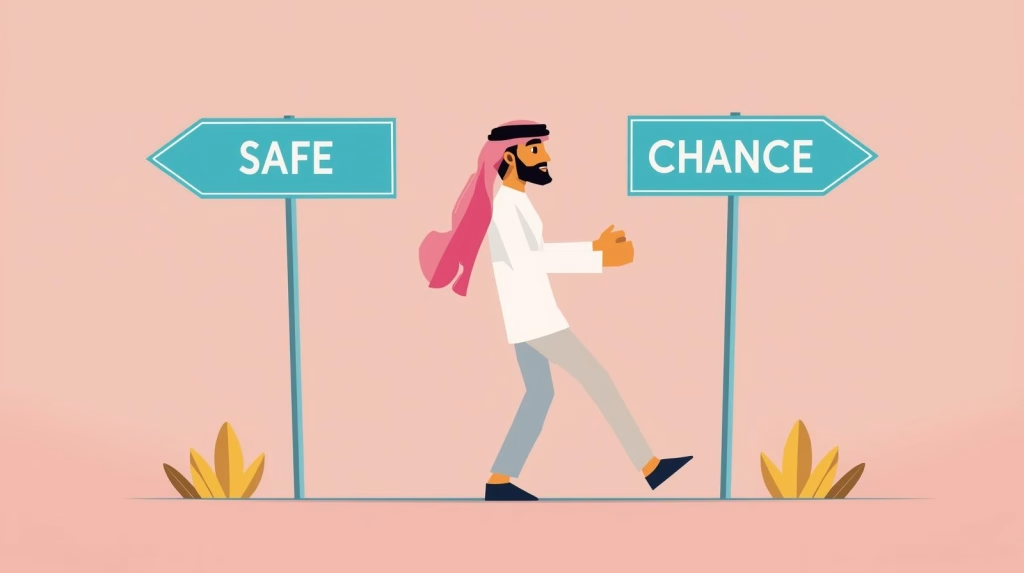
take one's chance = to take a chance, to try something
Basically, it carries the nuance of "I don't know if it will succeed, but I'll give it a try."
It can be used in both positive situations and situations where you are willing to take risks.
例文
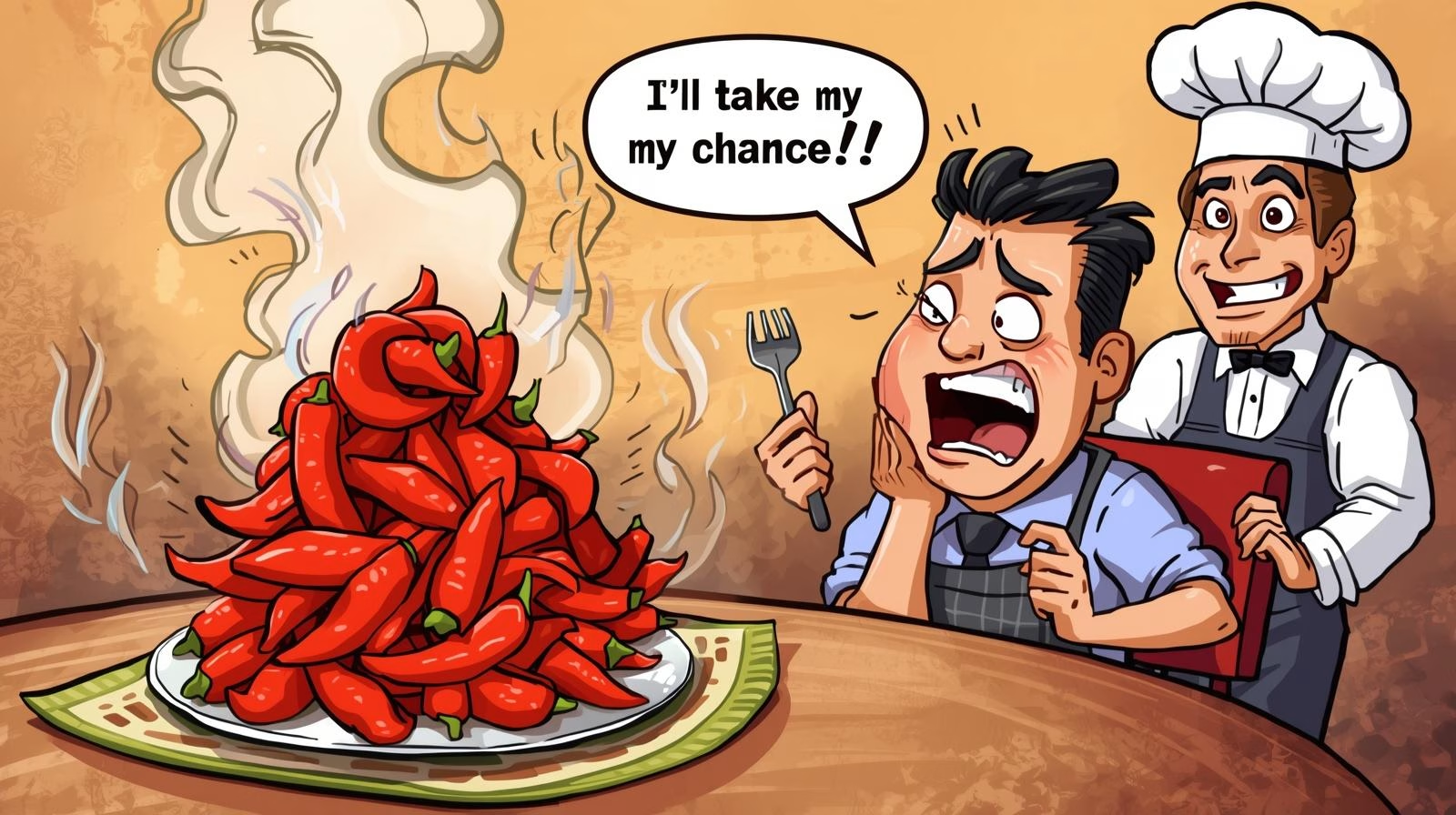
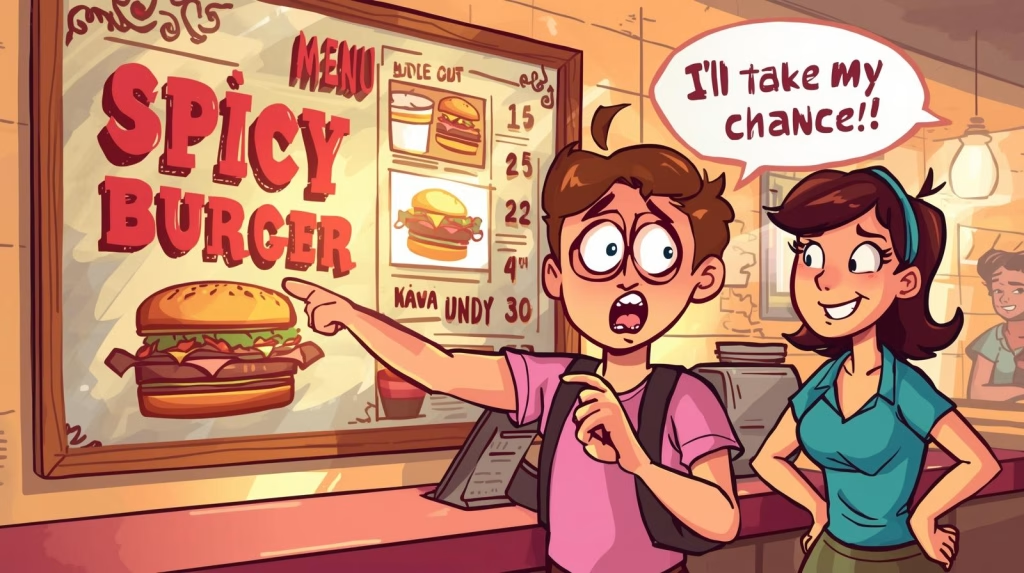
I'll take my chance and order the spicy burger. (I'm going to take a chance and order a spicy burger.)
She took her chance and applied for the job. (She took a leap of faith and applied for the job.)
We should take our chance while we're here in New York. (Now that I'm in New York, I should give it a try.)
When I heard someone say "I'll take my chance" in a casino, I was strangely convinced, realizing, "Ah, so this is actually used in situations where you're 'betting'."
Origin of the phrase: Opportunity is something you have to seize.
The word "chance" originally comes from the Latin word " cadere " (to fall), and came to mean an "opportunity" that falls by chance. In English, it has been used to mean "chance" or "opportunity" since the Middle Ages.
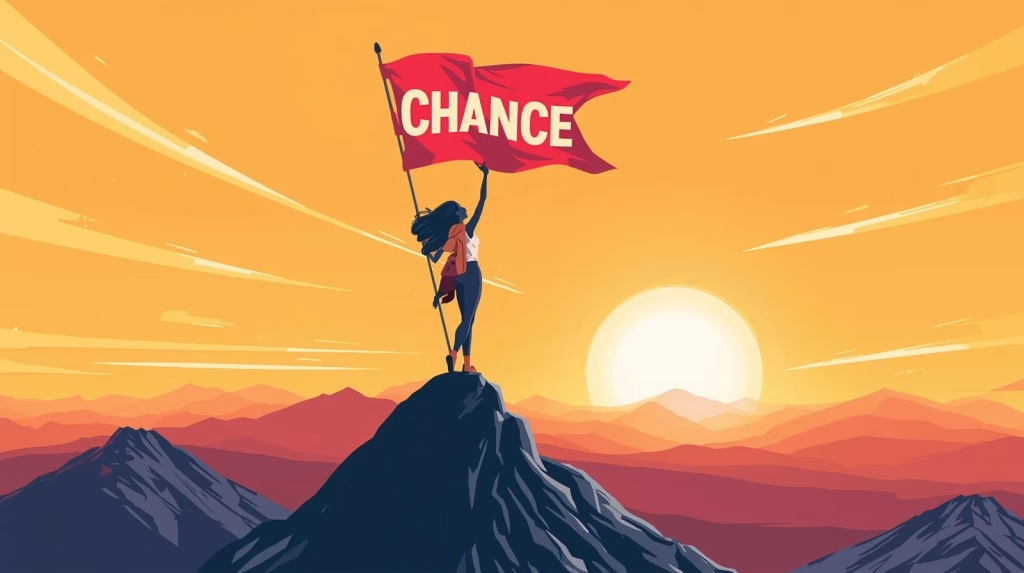
In other words, "take one's chance" conveys the image of "seizing an opportunity that comes your way." It expresses an attitude of taking initiative and trying things out, rather than simply waiting for chance to happen. This also carries the nuances of "being bold" and "accepting risk."
In old Europe, "chance" sometimes referred to the outcome of rolling the dice of fate. So, taking on a challenge was literally like "rolling the dice."
Everyday usage scenarios
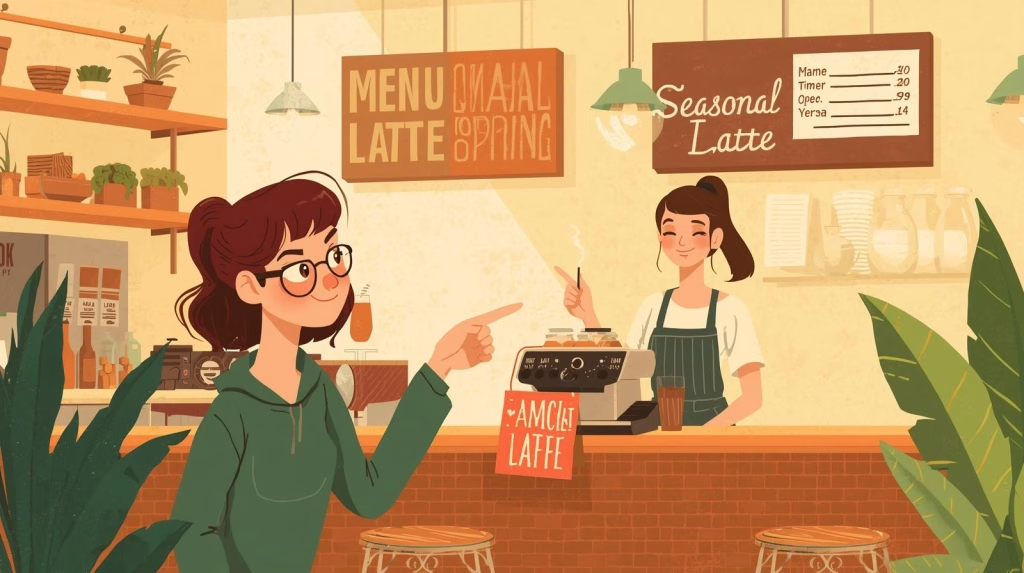
Conversation at a cafe
A: They have a new seasonal latte. Should I try it? B: Come on, take your chance! (They have a new seasonal latte. Should I try it? / Sure, go ahead and give it a try!)
At travel destination
I'll take my chance and speak Japanese at this izakaya. (I'm going to try using Japanese at this izakaya.)
He took his chance and asked for an upgrade at the hotel. (He decided to take a chance and ask for a room upgrade at the hotel.)
Business scene
If we want to grow, we must take our chance now. (If you want to grow, now is the time to take on challenges.)
She took her chance to present her idea to the CEO. (She boldly proposed her idea to the CEO.)
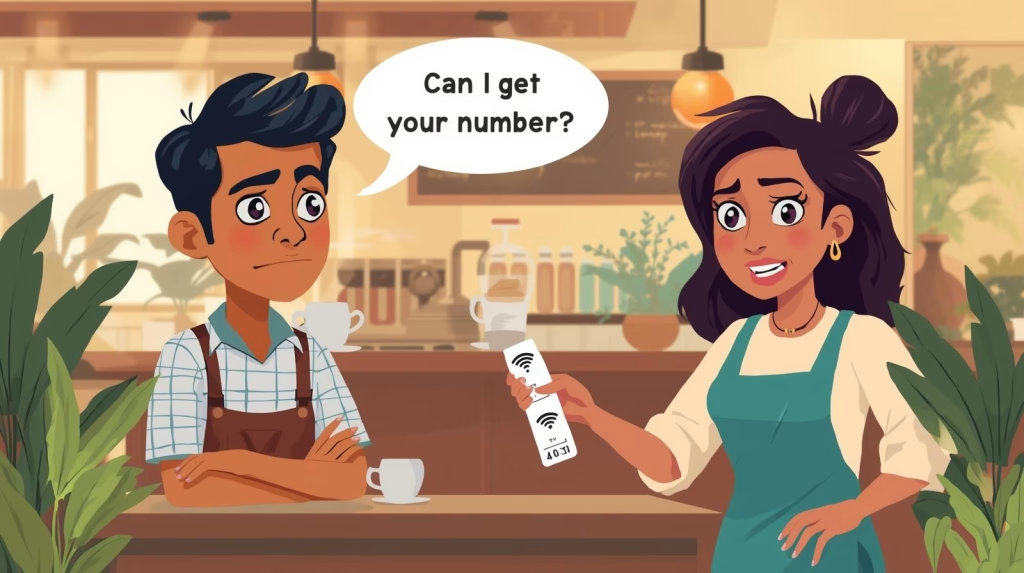
I mustered up the courage to ask "Can I get your number?" at a cafe, but instead of a phone number, I got the Wi-Fi password! (laughs)
Differences from similar expressions: A comparison of nuances with "take a risk"
A very similar expression is "take a risk."
take a risk = Taking action despite knowing the risks (emphasis on risk)
take one's chance = I don't know if I'll succeed, but I'll try (a mindset of seizing the opportunity).
Comparison using example sentences
He took a risk by investing all his money. (He took the risk of investing all his assets.)
He took his chance and invested in the new project. (He took a bold step and invested in a new project.)
The difference is that "risk" implies a stronger degree of danger, while "chance" leans more towards "challenge" or "opportunity."
I once said, "It's not a risk, it's a chance." Wow, what a magical way to rephrase it to sound positive!
A collection of useful chunks (a collection of phrases you can use immediately)
I've compiled easy-to-remember and ready-to-use chunks. You can use them directly in everyday conversation.
Take my chance on… (I'll try...)
Take your chance now (Now's the time to give it a try.)
I'll take my chance with… (I'll bet on...)
take one's last chance (I'm betting on this last chance.)
Don't waste your chance — take it! (Don't waste this opportunity, seize it!)
British football fans often shout "Take your chance!" in front of the goal. Of course, booing is part of the package when the goal is missed. (laughs)
Q&A
Q: Can "take my chance" be used in formal situations?
A: It's basically a casual expression, but in business settings, it can be used depending on the situation if it means "to take a bold step."
Q: Is "take my chance" a good direct translation of "yama o kakeru"?
A: The nuances are very similar, but they're not exactly the same. Saying "I'll take my chance on this chapter" to mean "I'm going to bet on this chapter" can be a funny expression if the person you're talking to has a sense of humor.
Should I bite the bullet and buy a new one?
The latest iPhone 17 model boasts enhanced camera performance, processing speed, and even more powerful AI capabilities. While the price is admittedly on the higher side, the decision to "take your chance" and upgrade is entirely up to you. Trying out a new gadget is a perfectly valid and bold move.
I'll take my chance and buy the iPhone17. (I'm going to take the plunge and buy an iPhone 17.)
She took her chance and switched to the new iPhone. (She took the plunge and switched to a new iPhone.)
I previously dismissed the latest model as "too expensive," but ended up buying it a year later and regretting it. I should have just taken the plunge from the start, haha.
Summary: When in doubt, “take your chance.”
"Take one's chance" is an expression that encourages you to have the courage to take on a challenge.
Whether you're ordering a new item at a cafe, embarking on an adventure while traveling, or taking a new step in business, this single phrase can express a positive attitude.
Finally: When in doubt, just take your chance! (When in doubt, just give it a try!)
Take your chance today, and you'll thank yourself tomorrow. Fortune favors the bold, and English favors the brave learner.