Why are "Christmas road trips" trending now? A thorough explanation of the differences between American holiday culture and Japanese culture [AI travel plans are also gaining attention]
Why are "Christmas road trips" trending now? A thorough explanation of the differences between American holiday culture and Japanese culture [AI travel plans are also gaining attention]
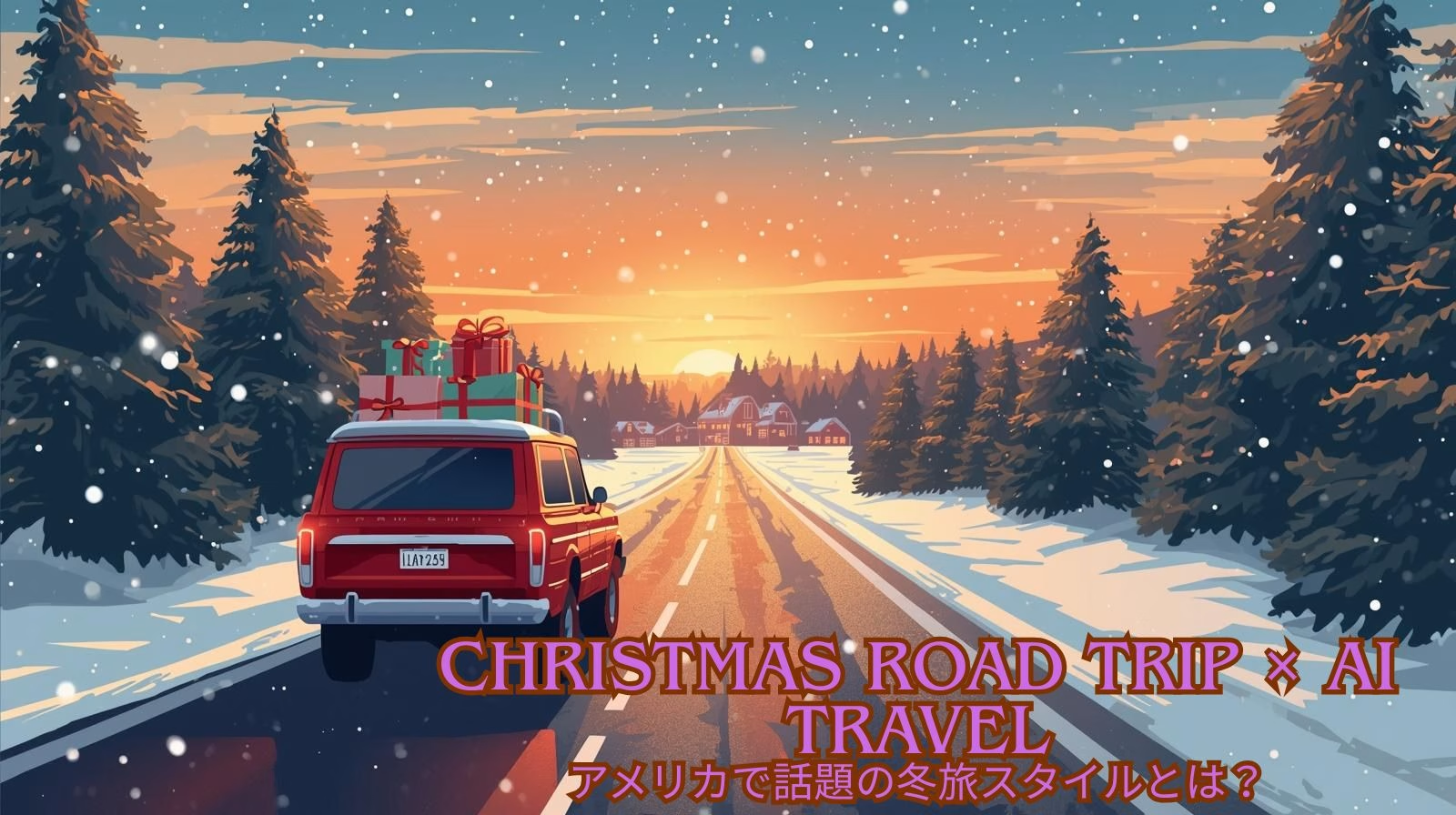
In the United States, as the holiday season approaches, the keyword "Christmas road trip" is currently a hot topic . Videos of families driving and photos of driving on snowy highways are spreading rapidly on social media, and more and more families are getting excited about the idea of going on a road trip this year.
Why are road trips gaining so much attention during Christmas right now?
What are the cultural differences between America and Japan?
And what's the background behind the increasing popularity of "winter travel" as entertainment?
This article will explain the process from a travel enthusiast's perspective in an easy-to-understand way.
table of contents
What you will learn from reading this article
Why is the "Christmas road trip" trending now?
The deep background and history of American Christmas travel culture
Cultural differences with Japan (family events/couple events, travel styles, etc.)
Why Black Friday is linked to Christmas travel
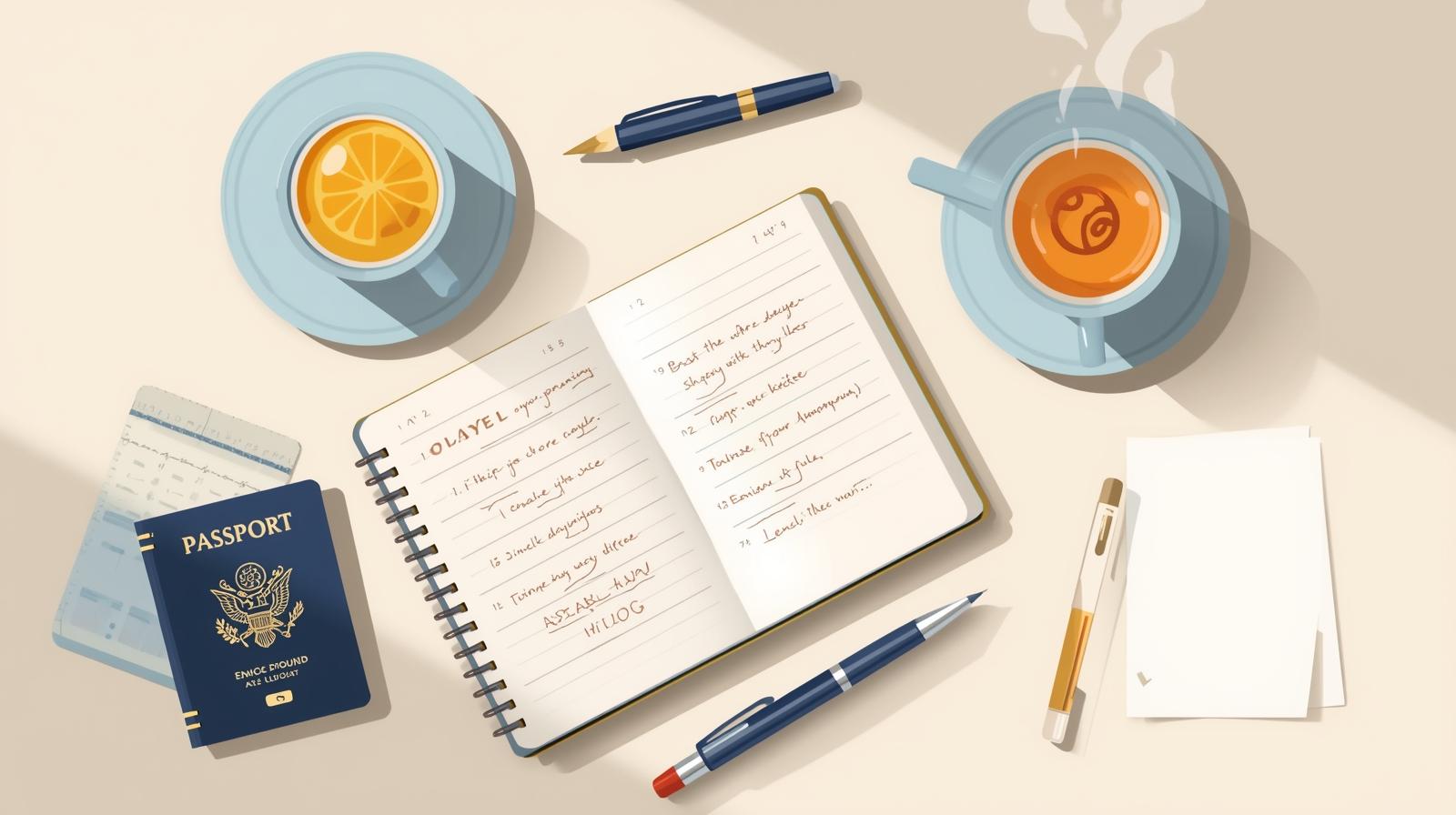
The background behind the growth of AI travel planners and "flights to..."
The reason for the "difference in approach" to AI utilization between the United States and Japan
Risks specific to the US that you should be aware of when taking a winter road trip.
Why are "Christmas road trips" trending now?
With gasoline prices and airfares soaring, car travel is being re-evaluated.
In the United States, airfares continue to rise, making travel for a family of four quite a burden. Therefore, the option of "Let's go by car!" is gaining renewed attention.
★The underlying reason is the American family culture, where families often move as a unit.
Holidays have a strong family event culture.
Christmas is far more of a "family event" than in Japan. It's commonplace to return to one's parents' home, which can be hundreds of kilometers away, and long-distance drives are the preferred mode of transportation.
★Just like Thanksgiving, this will create a "peak season for people returning home for the holidays."
"Holiday road trip aesthetic" that's perfect for social media.
Photos of the highways along the way, snowy landscapes, and hot chocolate are popular on social media. The road trip itself has become content.
★The idea that "the journey itself is the main event" is gaining traction among young people.
American Christmas travel culture
Christmas = Family event and the culture of "returning home for the holidays"
Christmas in America is a holiday culture that is completely different from that in Japan, with a strong emphasis on family. Along with Thanksgiving, it is one of the most important family events of the year . Even if your parents live hundreds of kilometers away, or if airfare is soaring, the value of "spending time in the same place as your family" is deeply ingrained.
Therefore, a "homecoming rush" occurs every year from mid-December to the 25th. This cultural background explains why it's common to choose to "drive home" if airfares are expensive.
★The fundamental premise of holiday travel in America is the custom of "gathering at the same house with family."
The history and lifestyle of long-distance driving culture
The United States has a vast land area, and people are generally accustomed to long-distance driving on a daily basis.
A 300km one-way trip is "far, but normal."
Traveling 600-800km across states is also common.
Motels, diners, and gas stations along the way developed as part of the "travel culture."
Highway culture, in particular, including Route 66, is a symbol of "Americanness" that has continued since the 20th century. Road trips themselves have been cherished as "family events," "memories of youth," and "symbols of freedom."
★A key characteristic is that people here view travel not as an inconvenience, but as an "adventure."
The culture of "bringing home gifts" before Christmas
Christmas is a major event, especially for gift exchanges. Many families load up their cars with gifts from children, siblings, and relatives and head back to their hometowns, making it an ideal time for travel by car.
Large box (toy)
Ingredients for a home party
Gift basket for grandparents
The amount of luggage involved is one of the reasons why traveling by car is preferred.
★Another characteristic of American holidays is the amount of luggage people bring.
A tradition where winter scenery "enhances the journey."
Around Christmas in America, depending on the region, you'll see "movie-like winter scenery" with snowscapes, frost, and cloudy skies. The North and Midwest, in particular,
Snowy roads on a white Christmas
Roadside tree farm
Light-ups in each town In other words, the scenery itself during travel becomes an event.
★Road trips have developed a culture of being a "stage for creating family memories."
Even the way we spend time inside the car is "Christmas-themed."
In American households, time spent in the car is also part of the event.
Play Christmas songs
Bring hot chocolate or cookies
I'll tell you some old family stories.
For children in particular, "driving means Christmas begins even before you arrive at your grandparents' house." It's similar to the feeling of "gathering with family during New Year's" in Japan, and even the few hours spent in the car become cherished memories.
★Travel time = "story time" to share with family.
Differences in Christmas travel culture between the United States and Japan
Family events vs. Couple events
In the United States, Christmas is the biggest event of the year, bringing together the whole family. In contrast, in Japan, it is often perceived as a special event for couples, so the purpose of travel is fundamentally different.
★ "Spending time with family in the same place" is at the core of American culture.
Differences between distance traveled and travel style
In the United States, long-distance driving is common, and traveling hundreds of kilometers to visit family is a daily occurrence. In Japan, travel is relatively short distance and relies mainly on public transportation, and travel preparations primarily involve booking hotels and restaurants.
★In the US, the journey itself is the event; in Japan, the destination is the event.
Gift-giving culture and the amount of luggage
In the United States, gift exchanges are common among the entire family, requiring a large amount of luggage to be packed into the car. In Japan, gift exchanges are relatively less frequent, and cases involving large amounts of luggage during travel are limited.
★The sheer volume of luggage is a major factor driving car travel in America.
Winter scenery and entertainment value
In America's vast landscapes, snowscapes and illuminations function as part of the "travel experience," making the journey itself visually stunning. In Japan, however, city-specific illuminations and Christmas markets take center stage, with the "event itself" being the focus rather than the scenery of the journey.
★America = Streets like something out of a movie, Japan = Street events.
The connection between Black Friday and Christmas travel
The American "Christmas road trip" culture and Black Friday are actually closely related.
Black Friday is known as a major sale at the end of November, but it's not just a shopping event; it also serves as the starting point for Christmas preparations .
1. The official launch of gift purchasing.
Many people buy all their Christmas gifts at once during Black Friday and Cyber Monday, and this is directly linked to the culture of loading those large quantities of gifts into their cars and transporting them to their parents' homes.
★ "Having more luggage = naturally leads to the choice of going home by car."
2. The peak season for travel bookings and travel planning is approaching.
The surge in flight and hotel searches during the same period explains the rise in "flights to..." searches. Many families also use Black Friday discounts to finalize their trips home or vacations.
★Black Friday is the "start date for planning holiday travel."
3. Buy road trip supplies around this time.
Car maintenance supplies
冬用タイヤ
Camping chairs and blankets
Hot drink gear for use while driving
Many people buy these items in bulk during sales, which underpins the road trip culture.
★ Winter road trip items tend to sell well during this time of year.
4. The "end-of-year atmosphere" begins as families gather together.
With Black Friday marking the start of a full-blown Christmas celebration, the city erupts into Christmas mode, and it's also the time when people start planning how they'll spend the winter. This atmosphere fuels road trip searches.
★The day when the "end-of-year mood" switches on.
The latest trends that are perfect for Christmas trips
Why AI travel planners are growing
Routes, destinations, and budgets are suggested automatically.
It can reflect the preferences of the whole family.
Reducing "unnecessary travel" on long-distance road trips
★Google, Expedia, and ChatGPT are among the main tools used.
The reason why "flights to" is extended
Recovery of overseas travel demand
The search for airline tickets for people returning home for the holidays is at its peak.
Popular winter destinations (Hawaii, NY, LA, etc.)
★There's also a trend of "families using cars, while single people use airplanes."
Differences in travel preparation styles and special
USA: First and foremost, the focus is on "getting the car ready."
In America, traveling by car is the norm during the Christmas season. To drive safely over long distances and on snowy roads,
Tire exchange
Oil check
Check your snow road equipment.
Preparing the vehicle gear The basics of travel preparation include "getting yourself in a condition to run long distances."
★A typical American preparation style, reflecting the deeply rooted road trip culture.
Japan: Reservations and plans take priority.
Japan has short travel distances and well-developed public transportation,
Securing a hotel room
Restaurant Reservations
Securing transportation "Confirming plans in advance" is central to travel preparations.
★It's easy to prioritize "optimizing the itinerary" over the trip itself.
Differences in the level of AI utilization
USA: More households are using AI to create routes. Japan: AI utilization is gradually expanding.
★There are differences in the speed at which AI-powered travel services are becoming widespread.
Why is there such a difference in enthusiasm for AI utilization?
The adoption rate of AI travel planners will depend on differences in culture, language, and service environment.
1. English-speaking countries are a good fit for AI.
Because AI services are initially optimized and provided in English, American users can use them naturally without language barriers. Conversely, in Japan,
I have reservations about English-based UIs.
The hurdle to English input These factors are delaying the initial launch of the service.
★The preconception that "AI = English language services" is still deeply ingrained.
2. A culture of "self-planned" travel is deeply rooted in America.
In some countries, there is a strong culture of planning trips independently, making it well-suited to AI. On the other hand, Japan has a long-standing culture of travel agencies and package tours, so it will take time to transition to fully automated travel planning.
★Your travel style itself influences your relationship with AI.
3. The United States is quick to adopt new technologies.
In the U.S., early adoption of tech services is common, and families tend to actively try them out. In Japan, there is a tendency to adopt them cautiously, and there is a culture where they do not spread easily without word-of-mouth or media recognition.
★The difference lies in the "try it out first" attitude.
4. Road trip culture is driving AI development.
Long-distance travel, multiple cities, and multi-location plans make this a travel format well-suited to AI. Therefore, the US has a structure that facilitates the rapid spread of AI utilization.
★ The "complexity of travel" is driving the adoption of AI.
Points to note when driving on winter roads in America
Dangers of snow and black ice
Freezing is particularly severe in the Midwest and the North.
★ Always prioritize on-site information when making final decisions.
The importance of emergency kits
Blankets, a portable battery, and snow chains are essential.
★This is common knowledge for long-distance travel.
Summary | Winter travel styles are entering an era of choice.
Car travel, airplanes, and AI planning are evolving simultaneously.
Cultural differences also influence search trends.
The American trend of "traveling to enjoy the journey itself" is spreading to Japan.
This winter, why not let AI help you plan your trip and create your own personalized holiday itinerary?
Why not let AI help you craft your own holiday road trip this winter?