— A new way for modern people, tired of efficiency, to create a sense of accomplishment.
I've used Python to reduce a 3-hour task to just 1 second. I also take pride in my efficient learning methods using English learning apps.
However, after maximizing efficiency and eliminating all friction, all that was left for me was an overwhelming sense of emptiness.
After striving for maximum efficiency and eliminating all friction, all that remained in my hands was an overwhelming sense of emptiness .
The numbers on the screen keep increasing, but nothing remains in my mind. I should be able to reach the shortest path to the answer with just a touch of my finger, yet the only thing that slips through my fingers is the feeling of accomplishment from having overcome the challenge myself.
I deliberately sprinkle "sand" into this everyday life that feels like sliding down a smooth slope.
That is a trend that is currently attracting attention on social media and in articles overseas.
It's called "friction maxxing".
*This page contains promotional material.
table of contents
A pleasant illness: "zero friction"
What the present era has been striving for is a "frictionless" world.
Payments are handled by facial recognition, navigation is left to the system, and even videos are selected by an algorithm.
They don't fail, but their hearts aren't moved either.
" Everything is easy, but nothing feels earned. "
Many people are beginning to feel a vague sense of unease about this lack of tangible results. In the time we've freed up by chasing after Taipa, aren't we ultimately just ending the day by watching meaningless videos?
Reduce "convenience" and deepen "experience."
Friction Maxxing was created as a counterpoint to this impasse of convenience.
The idea is quite simple: "Reduce convenience and enrich experiences."
I deliberately choose the more difficult path. I deliberately return to inconvenient methods.
The word "maxxing" is derived from internet slang (like "looksmaxxing") that means pushing something to its absolute limit. It may sound a bit extreme, but if we don't intentionally push things to that extent, the "tangible" aspects of our lives will disappear.
"Friction" in learning prevents the brain from telling itself to retire.
In particular, I feel that English language learning is where "friction" is most necessary.
While everyday conveniences save time, the convenience of learning can sometimes be a "retirement signal" to the brain. Learning that progresses without thinking. Apps that provide answers without hesitation. It feels good, but the brain decides, "Ah, I don't need to work anymore," and shuts down.
In psychology, there's a term called "Desirable Difficulty ." Ironically, the brain only retains information that requires a little effort and careful consideration.
Zero friction: I copy and paste AI translations and think I understand them.
Friction present: I kept asking the AI, "Why this preposition?" and retyped the prompt until I was satisfied.
The former takes only a second, but your brain doesn't move an inch. The latter is troublesome, but it definitely becomes a part of you.
[PR]
There are business English learning materials that were created using data from 4 people .
Based on surveys of actual business professionals, 44 common scenarios that occur in the workplace have been carefully selected and turned into training materials.
You can learn topics directly relevant to your current job through private lessons, such as "reporting progress to a foreign boss," "interviewing in English," and "facilitating meetings."
"I want to get promoted," "I want to switch to a foreign company"—the more clear your goals are, the more likely you are to see results.
👇First , try the free trial and experience some of the 44 scenes 👇
On a frictionless path, not even footprints are left.
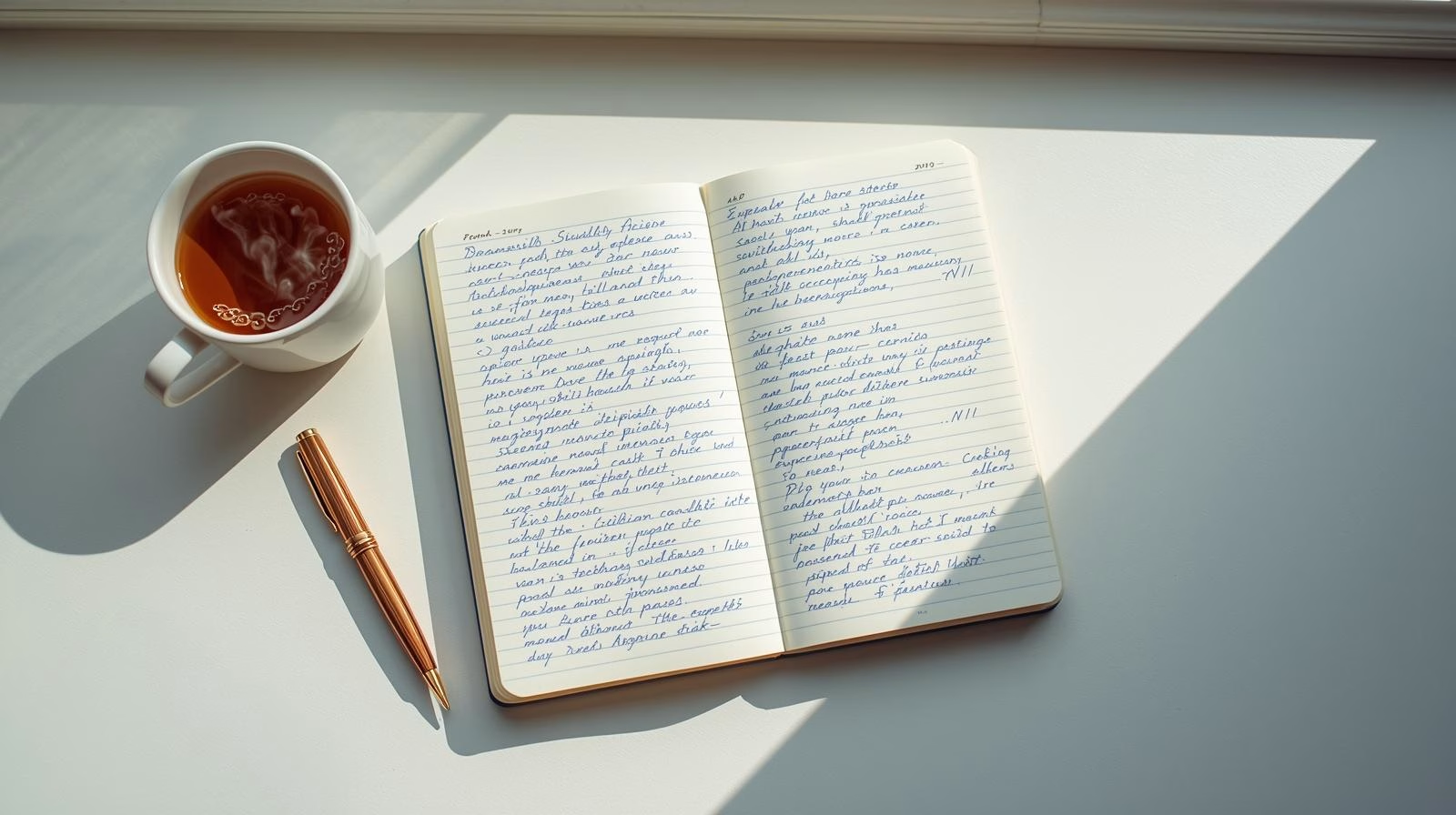
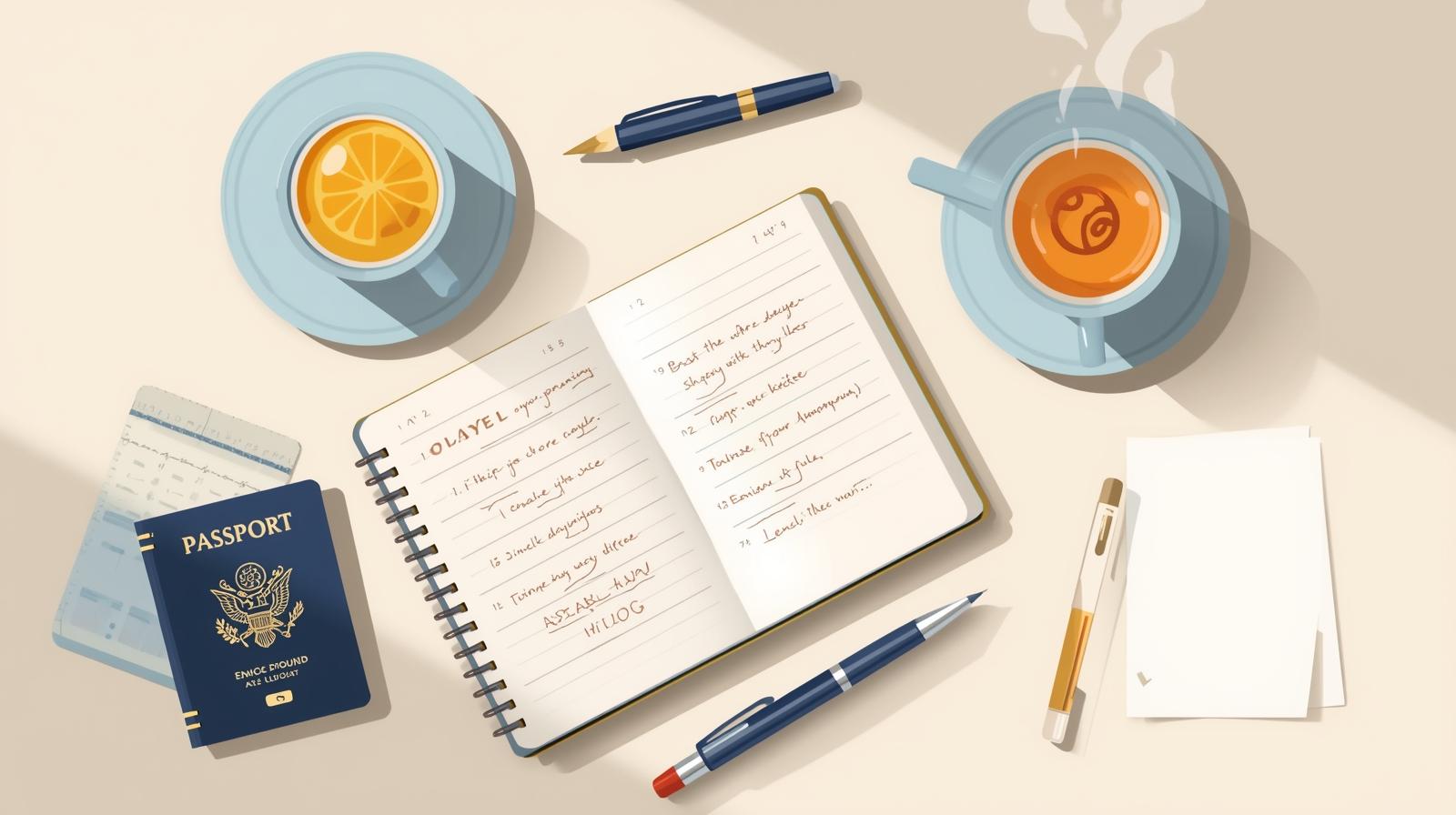
Recently, I've decided to deliberately use an English learning app while also writing things down in a notebook by hand. While this should allow me to recall words quickly, it's not very efficient.
But the feeling of the pen catching on the paper, the time spent considering the balance of the letters—that "deliberate slowing down" carves deep grooves into my brain, which had been gliding too smoothly.
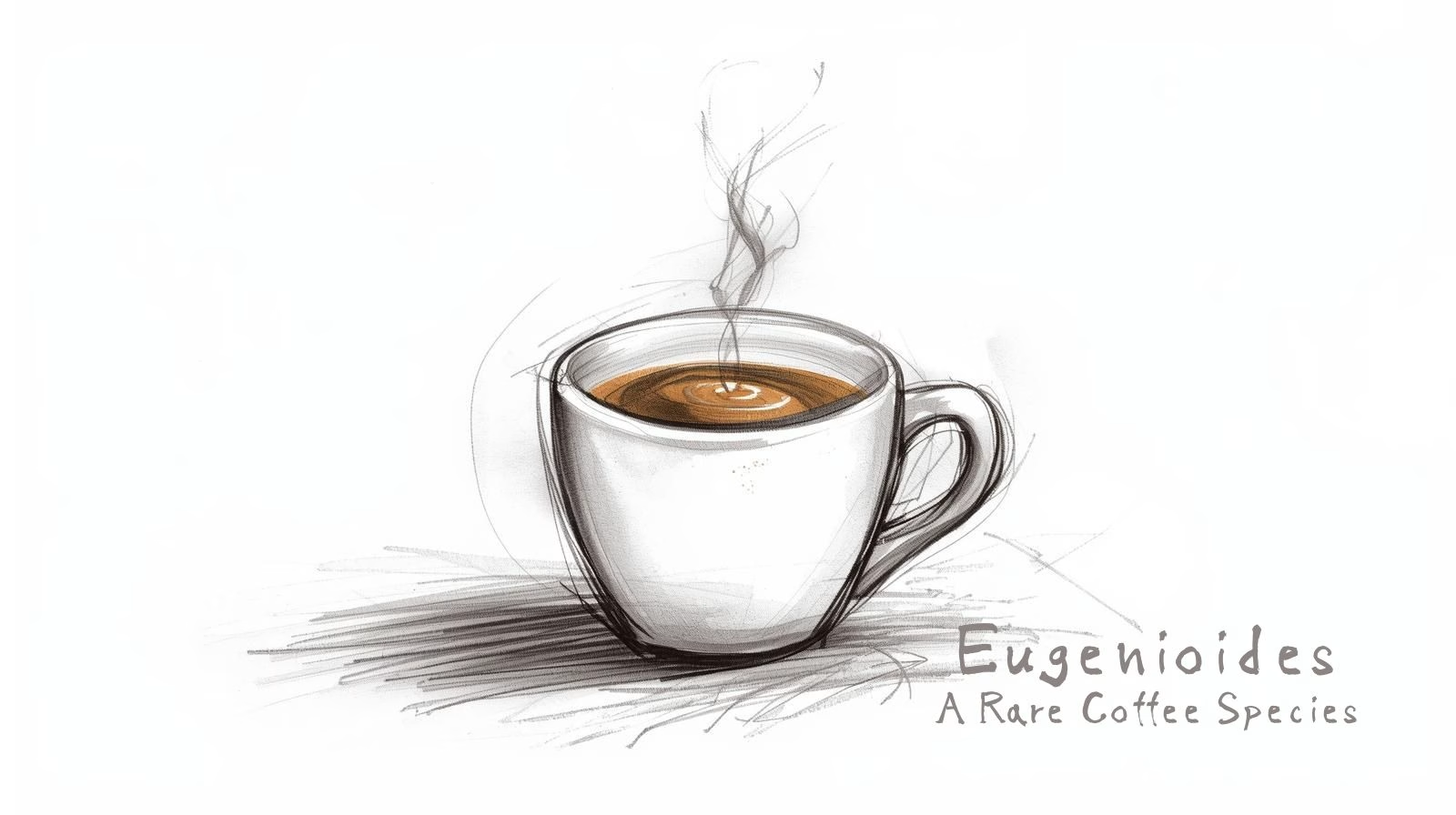
Having always strived for efficiency, I deliberately choose to use my hands to brew a single cup of coffee. I abandon "time-saving" and opt for "tactile sensation." This choice, which at first glance seems like a roundabout way, ultimately leads to the deepest sense of satisfaction.
Finally
If you continue learning in this "friction-free" way, you might find yourself standing in the same place a year from now. That's because no footprints are left on a frictionless path.
Starting tomorrow, why not eliminate just one of your easy choices? Try writing notes by hand. Walk one train station's distance without looking at your navigation system. Confront a single English sentence with a "why?"
That small amount of friction will give your learning a clearer shape.
Ultimately, I believe that only what you acquire through your own efforts and using your own mind and hands will remain in the end.
“What sticks is what you worked for.” I hope that by deliberately choosing a path that involves friction, you will find a sense of accomplishment that is uniquely yours.