



When was it that "pien" (a Japanese expression expressing sadness or disappointment) became popular? Before we knew it, nobody was using it anymore. "Maji Manji" (a slang term meaning "seriously" or "really angry") and "Gekioko Punpun Maru" (another slang term meaning "I'm really angry") met the same fate. Youth slang has an expiration date that is approaching the moment it is created.
This isn't just a matter of the Japanese language.
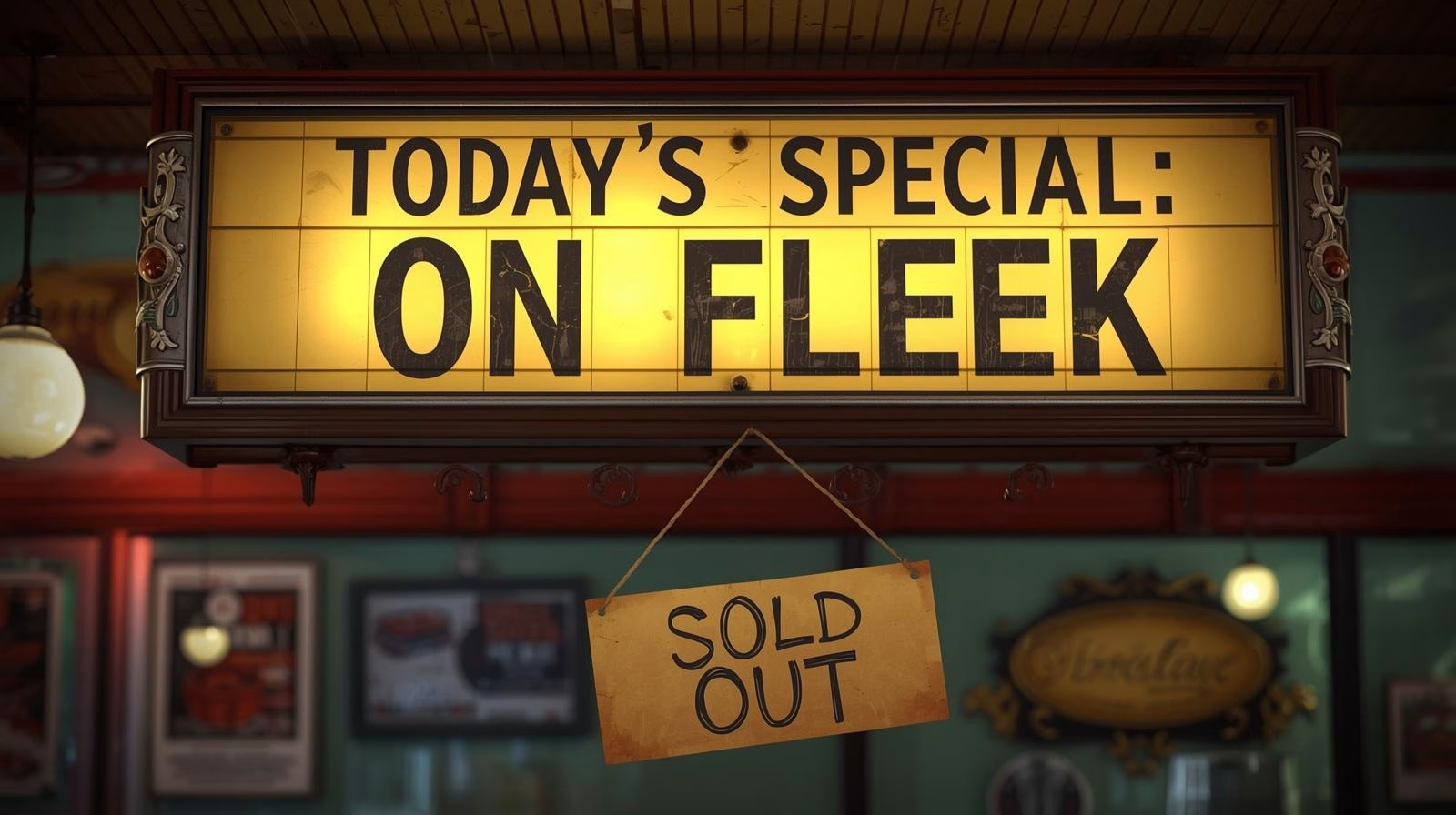
The exact same thing is happening with English slang. "On fleek," "YOLO," "cheugy." Don't you know that bittersweet feeling of learning a word only for it to be outdated by the time you get around to it?
Why do slang terms become obsolete so quickly?
It's not simply a matter of trends and fads; there's a fascinating mechanism of language and human nature hidden within it.
I'd like to think about it carefully.
*This page contains promotional material.
Slang is not "words," it's "passwords."
First and foremost, it's important to understand the essence of slang. Slang isn't a tool for conveying information; it's a social code word used to show, "I'm on your side."
Sociolinguists call this the "group identity function." Dr. Ryan Boyd of the University of Texas states that slang is ultimately "an indicator of who is like you and who is different."
This is something that's easily understood in Japan as well. In the 1980s and 90s, expressions like "choberiba" (super very bad), "meccha" (very), and "~jan" weren't just words; they were a way of confirming, "We're the same generation, right?"
It can be inferred that this is the reason why, when "gyaru" slang became widespread, the original gyaru girls switched to other slang.
Three ways slang falls out of use
Slang has a clear life cycle: "birth → spread → demise." And there are mainly three patterns to the path to losing its luster.
① Used for "mother"
Slang loses its luster when it becomes too widespread. The moment people outside the target audience start using it, it ceases to be a "password."
Sociolinguist Jesse Grieser states this definitively.
"The end of slang is signaled when it appears on a company's social media."
In Japan, the moment a TV news program reports, "Apparently, young people these days say XX," that phrase has served its purpose.
Both "Pien" and "Gekiokopunpunmaru" were decided the moment they were discovered on television.
② To be included in a dictionary
Looking back at history, this problem was already occurring in 17th-century London.
At the time, street criminals used their own code language (thieves' cant) to prevent the police from reading their conversations.
However, when the first slang dictionary was published in 1699, words that had previously been understood only among close friends became widely known. Words that lost their role as jargon naturally fell out of use, and new expressions emerged.
The moment a word becomes widely known, it ceases to be a "living code." This remains true in every era.
③ Used in the word "brand"
It spread from a video posted on Vine in 2014 by Kayla Newman, a high school student living in Chicago.
The phrase "on fleek" quickly lost its appeal when major chains like IHOP and Taco Bell started using it to advertise their pancakes and menu items.
The cooling-off rate of youth slang the moment it's used for commercial purposes is particularly fast these days.

The "metabolism of slang" has accelerated in the age of social media.
It used to take years for slang to spread. That's because it took time for it to be transmitted from region to region, from word to word. But with the advent of social media, slang can now reach millions of people almost overnight.
The problem is that "popularity" and "obsolescence" are now happening simultaneously. Words that go viral on TikTok can feel "old" just a few months later. Dictionary editor Emily Brewster analyzes this as "words are becoming popular faster, but they're disappearing just as fast."
Popular slang during the Edo period changed slowly across generations.
In the Showa era, youth slang changed every 10 years, but this cycle gradually shortened as the Heisei era began.
And now, the time it takes for a word to gain attention and then fall out of use is incomparably shorter than before. It seems that the metabolism of language is accelerating along with technology.
The conditions for slang to survive despite these circumstances
Of course, not all slang will disappear. The word "cool" originated in the jazz culture of the 1930s and 40s, but it's still in use 90 years later. This is considered an almost exceptional case in the world of linguistics.
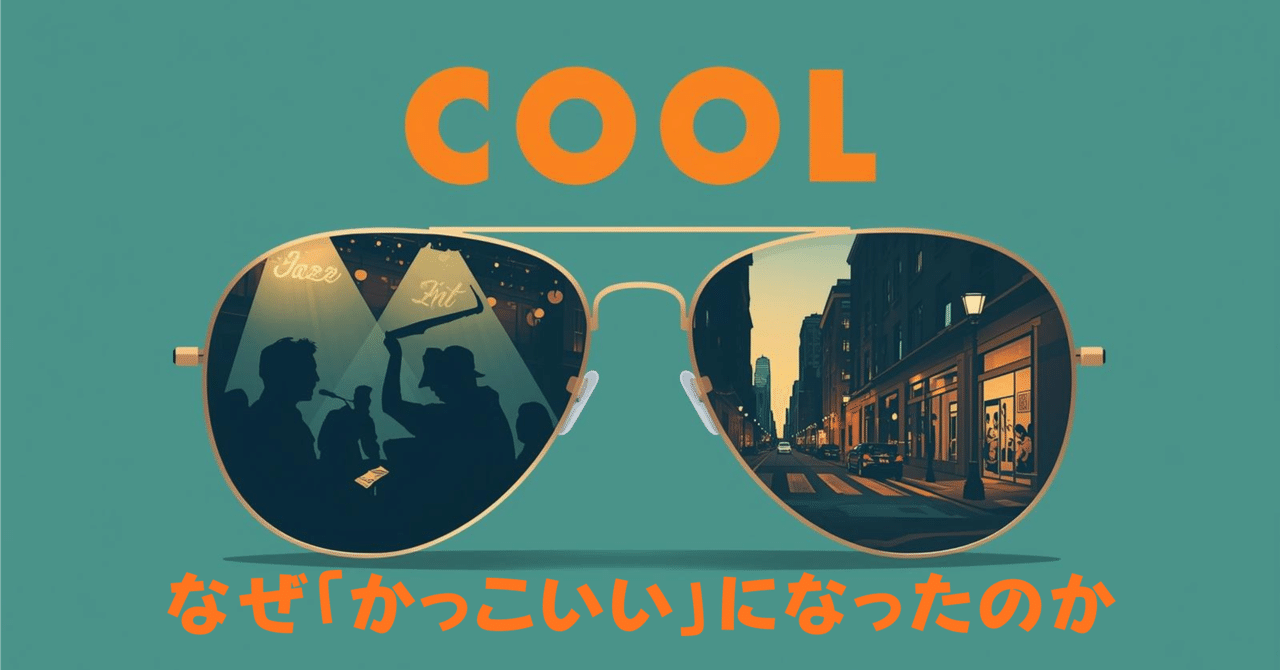
Linguists attribute this to "ambiguity and versatility of meaning." Because "cool" can be used in a wide range of situations, it has survived without being tied to any particular group.
Words with overly limited meanings, like "YOLO (You Only Live Once)," quickly become obsolete.
In Japanese, the equivalent would be "maji." "Maji," which became popular as youth slang in the 1990s, is still used by people of all ages in the 2020s. This is in stark contrast to "gekioko punpun maru," which has been forgotten over time.
Perhaps a certain degree of "margin" is necessary for words to be used for a long time.
Learning slang
Considering all of the above, one important perspective emerges when learning English slang: Slang is not just a word of the "now," but a map of the culture and people that explains "why this word is being used now."
The popularity of terms like "vibe" and "no cap" reflects the values of a particular generation and what they perceive as "authentic." Understanding the context in which a word originated is more valuable knowledge than simply memorizing its meaning.
Slang eventually serves its purpose.
That's precisely why we can learn from those changes.


On X in English-speaking countries"Words that are actually gaining popularity right now",
We compile and deliver the data weekly.
This weekly membership compiles trending words on English-speaking platforms and analyzes the culture and context in which each word originated . We deliver a weekly summary of "living English" that you won't find in dictionaries, along with trend information from overseas markets for cross-border e-commerce sites.
- What are the words that are currently gaining popularity in English-speaking countries?Weekly tally, explaining the culture and trends as well.
- Cross-border e-commerce siteOverseas marketWe deliver the latest trends every week.
- From the moment you join,All past issuesYou can read it.
If you have a note account, you can start reading immediately. You can cancel anytime.